
 English
 русский
 عربى
Tear-Resistant PVC-Coated Tarpaulin: Why the Scrim Decides How the Tarp Dies
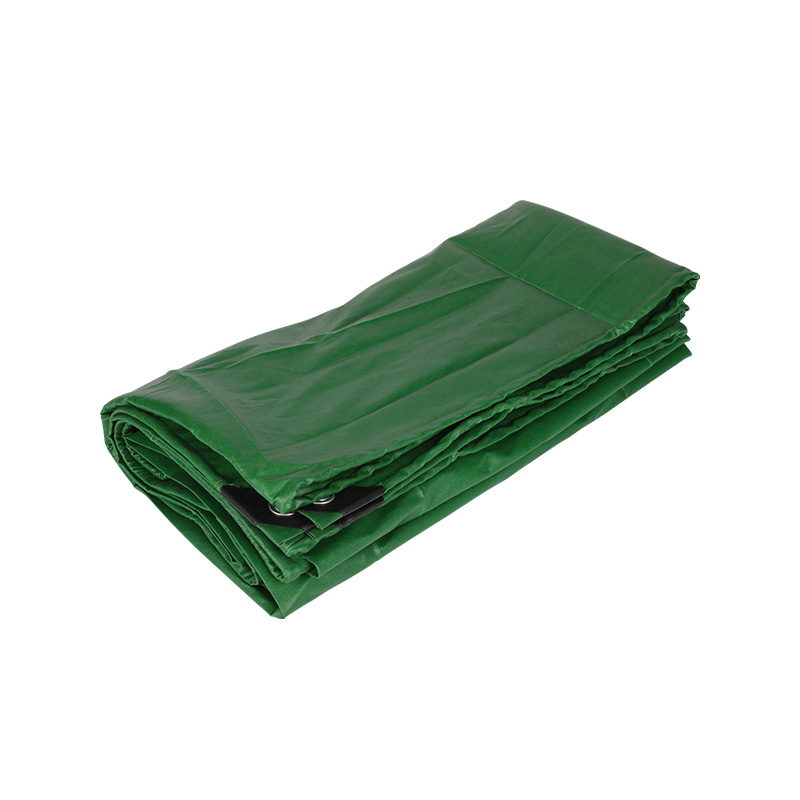
A tear-resistant PVC-coated tarpaulin is a heavy fabric with a polyester core and PVC coating on both sides. The core gives the tear strength, the coating seals the water out, and the welded seams keep the water from finding the needle holes. The tarp covers the truck load, the scaffold, the haystack, and the construction material, and it has to hold through wind, rain, and the UV that destroys the cheaper covers.
A Puncture Should Stay a Puncture
The polyester scrim is the woven grid between the PVC layers. High-tenacity yarn and a dense weave resist tear propagation. A small puncture stays small instead of running across the tarp under tension.
A tarp with 1000-denier or heavier scrim handles the wind load and the sharp corners of the load. A lighter scrim tears at the grommet and the tarp flaps loose in the first storm. The scrim is the part the buyer never sees and the part that decides how the tarp dies. The weave density matters as much as the denier: a loose weave with heavy yarn still lets the tear run.
Coating Weight and the Outdoor Life
The coating runs 500 to 900 grams per square meter. The heavier coating resists abrasion and UV better and lasts longer outdoors. The lighter coating is cheaper and shorter-lived.
Coating on both sides seals the fabric completely. A single-side coating lets water wick through the uncoated face, and the tarp fails from the inside where the buyer never sees it until the fabric is rotten.
Stitching Leaks, Welding Does Not
A stitched seam leaves needle holes that leak from the first rain. A welded seam, hot air or high frequency, fuses PVC to PVC and is as waterproof as the body.
A tarp with welded seams and a welded hem holds the water out and the grommets in. The stitched seam on the cheap tarp is the first place the water finds, and the leak starts at the thread and spreads along the seam.
The Edge Takes the Load
Grommets carry the tie-down load, and the reinforcement carries the grommet. A hem with rope or webbing inside distributes the load along the edge instead of concentrating it at each grommet. The corner takes the high load, and the corner patch is the difference between a tarp that holds in the wind and one that rips at the first gust.
What the factory has to deliver:
- 1000-denier or heavier polyester scrim
- PVC coating on both sides, 500 to 900 gsm
- Welded seams and welded hem
- Brass or stainless grommets in the reinforced hem
- Rope or webbing reinforcement along the edge
- UV-stabilized coating for the outdoor life
The Truck, the Scaffold, and the Hay
Trucking uses the tarp for the flatbed load and the road spray. Construction uses it for the scaffold wrap and the material cover. Agriculture uses it for the hay and the silage. Each one needs a cover that holds through wind and abrasion, and the tarp that survives one service usually survives the other two.
Why the Tarp Fails
The tear runs because the scrim was too light. The seam leaks because it was stitched. The coating cracks in the cold because the plasticizer was wrong. The grommet pulls out because the hem was not reinforced. Each one is a factory decision made before the tarp reaches the load, and none of them show up in the product photo.
Your email address will not be published. Required fields are marked *

Info
+86-15967922255
No. 859, Huafeng Road, Jindong District, Jinhua City, Zhejiang Province, China
Copyright © Jinhua Donglin Tarpaulin Daily Products Co., Ltd.

Double White & Black & Light Blue Tarpaulin