
 English
  русский
 عربى
عربىSilver Gray/Army Green Tarpaulin: Tough Outdoor Cover
Tarps get used hard. Sun bakes them. Wind whips them. Rain soaks them. A silver gray/army green tarpaulin needs to stand up to all of that. Not just for a season. For years. Here is what separates a tarp that lasts from one that falls apart.
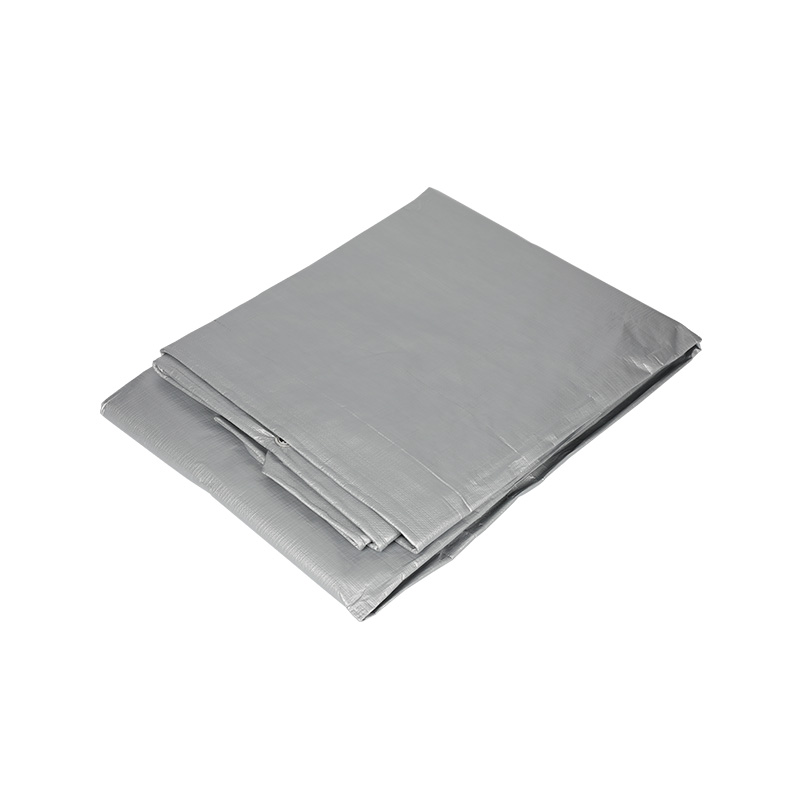
Material Thickness Is the Foundation
Thicker material handles more abuse
Tarps are measured by weight per square meter. A silver gray/army green tarpaulin at 120 GSM is thin. Light. Easy to fold. But a sharp corner pokes through it. Wind tears it.
At 180 GSM, the tarp gets tougher. Resists punctures. Stands up to moderate wind. Good for farm storage and covering equipment.
At 220 GSM, you get a heavy-duty tarp. Use it on construction sites. Cover lumber. Protect tools. This weight handles wind without tearing.
At 260 GSM and above, the tarp is very heavy. Hard to fold. Hard to move. But it lasts for years in harsh sun and wind.
The right thickness depends on the job
A homeowner covering a barbecue needs 120 GSM. Light. Cheap. Does the job.
A farmer covering hay needs 180 GSM. Tough enough for wind. Light enough to move.
A contractor covering lumber needs 220 GSM. Punctures from board ends will not go through.
A long-term outdoor storage setup needs 260 GSM. The tarp stays in place for months. It needs to survive.
Seams Make the Difference Between Dry and Wet
Heat-sealed seams keep water out
Tarps are made from sheets of plastic welded together. The weld line is the seam. A silver gray/army green tarpaulin with heat-sealed seams has no holes. No stitches. Water cannot get through.
Stitched seams have needle holes. Water finds them. Drips through. Whatever is under the tarp gets wet. The tarp fails at its only job.
Seam placement affects strength
Some tarps have seams running across the middle. Others have seams only at the edges. A silver gray/army green tarpaulin with fewer seams is stronger. Each seam is a potential failure point. One-piece tarps exist for smaller sizes. Larger sizes need seams. Look for tarps where the seams run parallel to the longer side. Less stress on the weld.
Grommets Are the Weakest Point
Brass grommets outlast steel
Grommets rust. Rusted grommets tear through the tarp. A silver gray/army green tarpaulin with brass grommets avoids this problem. Brass does not rust. The grommet stays smooth. The tarp lasts longer.
Steel grommets are cheaper. They rust in a few months. The rust stains the tarp. The rough edges wear through the plastic.
Grommet spacing affects how well the tarp stays put
A tarp with grommets every 90 centimeters flaps in the wind. Flapping wears out the material. The grommets pull out.
A silver gray/army green tarpaulin with grommets every 45 to 60 centimeters ties down tight. No flapping. Less stress on the material.
Edge Reinforcement Keeps Grommets from Pulling Out
Rope in the hem spreads the load
The edge of a tarp takes all the force. Wind pulls. The grommet concentrates that force into a small area. A silver gray/army green tarpaulin with a rope sewn into the hem spreads the force along the edge. The grommet does not tear out.
Tarps without rope reinforcement rely on folded plastic. The plastic stretches. The grommet pulls through.
UV Treatment Is Not Optional for Outdoor Use
Sun destroys untreated plastic
Polyethylene breaks down under UV light. The tarp becomes brittle. It cracks. A silver gray/army green tarpaulin left in the sun without UV treatment lasts a few months. Then it crumbles when you touch it.
UV treatment is added to the plastic resin before the tarp is made. It is not a coating. It cannot wash off. A treated tarp lasts for years in direct sun.
Common Uses for This Type of Tarp
Farm storage
Hay. Straw. Equipment. A silver gray/army green tarpaulin covers it all. The tarp keeps rain off. It keeps sun from fading paint. It keeps birds from nesting in machinery.
Construction sites
Lumber. Rebar. Tools. A silver gray/army green tarpaulin protects supplies from weather. It also hides materials from casual view. A site that looks clean attracts less attention.
Trucking and hauling
Open-bed trucks need covers. A silver gray/army green tarpaulin keeps gravel from blowing out. It keeps rain off furniture. It keeps nosy people from seeing what is in the bed.
What to Avoid When Buying
Tarps without UV treatment
They will fail in months. Not worth the lower price.
Tarps with stitched seams
They leak. Water finds the needle holes.
Tarps with steel grommets
They rust. Rust stains. The grommets rough up and tear the tarp.
Tarps without rope in the hem
Grommets pull out. The tarp tears at the edge.
A Good Tarp Pays for Itself
A silver gray/army green tarpaulin that lasts for years costs more upfront. Cheaper tarps get replaced every season. Add up the replacements. The cheap tarp costs more. Buy heavy enough for your job. 180 GSM for farm use. 220 GSM for construction. UV treatment. Heat-sealed seams. Brass grommets. Rope in the hem. That tarp will still be covering things when cheaper ones are in the landfill.
Your email address will not be published. Required fields are marked *

Info
+86-15967922255
No. 859, Huafeng Road, Jindong District, Jinhua City, Zhejiang Province, China
Copyright © Jinhua Donglin Tarpaulin Daily Products Co., Ltd.

Double White & Black & Light Blue Tarpaulin