
 English
  русский
 عربى
عربىLight Blue/Orange Tarpaulin: Built to Be Seen
A standard blue tarp covers a woodpile. A green tarp covers a boat. But some jobs need more than just coverage. They need to be seen. A light blue/orange tarpaulin combines two high-visibility colors. Light blue stands out against grass and dirt. Orange stands out against concrete and snow. People see the tarp. They see what is under it. They see the hazard. They see the work zone.
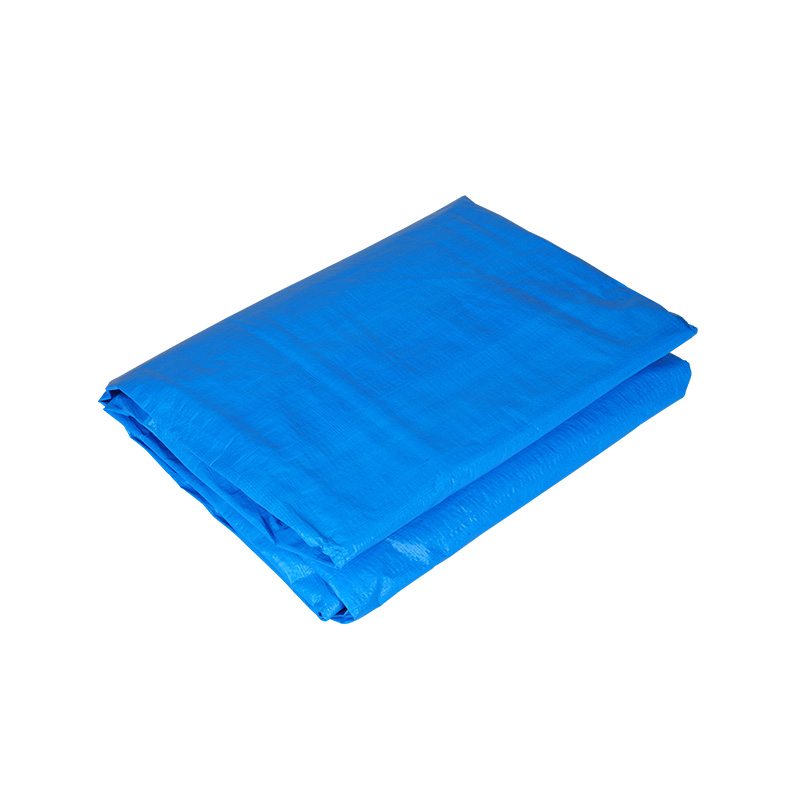
What Makes a Light Blue/Orange Tarpaulin Different from Standard Tarps
The dual colors serve different visibility needs on different backgrounds
A light blue/orange tarpaulin is not one color. It is two. Often sewn together down the middle. Or printed in alternating stripes. Light blue side up on grass — visible. Orange side up on snow — visible. The user chooses which color faces up based on the environment.
Here is when each color works ideal:
- Light blue — grass, dirt, gravel, asphalt, wood decks
- Orange — snow, concrete, sand, indoor floors, night conditions
The contrast matters. A hunter orange tarp on brown dirt blends in. Light blue stands out. A light blue tarp on white snow blends in. Orange stands out.
High-visibility applications need bright colors that do not fade
A light blue/orange tarpaulin used outdoors faces sun exposure. UV rays fade colors. Cheap tarps turn pink and pale blue after a season. Good tarps use UV-stabilized pigments. The color lasts. The tarp remains visible.
Where Light Blue/Orange Tarpaulins Get Used
Construction sites for hazard marking and fall protection
A hole in the ground needs covering. A light blue/orange tarpaulin over the hole warns workers. The bright color catches the eye. No one walks into the hole.
Open trenches also need marking. Orange side up along the trench edge. Workers see the boundary. They stay back.
Emergency response for landing zones and command posts
A helicopter needs a landing zone. A light blue/orange tarpaulin on the ground marks the spot. The pilot sees the bright colors from the air. First responders on the ground see the tarp from a distance. The command post is under the tarp.
Search and rescue teams use these tarps as ground-to-air signals. Lay the tarp on an open field. The search aircraft sees the bright colors. The team marks their location.
Traffic control for work zones and accident scenes
Road construction crews use light blue/orange tarpaulin to cover equipment and materials at night. The tarp is visible to passing drivers. No one drives into the work zone.
Accident scene investigation takes time. A tarp over a vehicle preserves evidence. The bright color warns other drivers to slow down.
What Makes a Good Light Blue/Orange Tarpaulin
Material weight determines durability for the intended use
Tarpaulins are measured in grams per square meter or ounces per square yard. A light blue/orange tarpaulin for light duty is 120 GSM. Fine for covering equipment for a weekend. Tears easily.
Heavy duty is 180 to 220 GSM. Resists tearing. Handles wind. Good for construction sites. Extra heavy duty is 260 GSM or more. Heavy. Expensive. Hard to fold. For long-term outdoor use.
Here is how material weight affects a light blue/orange tarpaulin:
- 120 GSM — light duty, temporary use, cheap, tears easily
- 180 GSM — medium duty, many common, good for jobsites
- 220 GSM — heavy duty, long-term use, resists punctures
- 260+ GSM — extra heavy, industrial use, very stiff
Reinforced edges and grommets prevent tearing at tie-down points
A light blue/orange tarpaulin without reinforced edges tears at the grommets. Wind pulls on the tarp. The grommet rips out. The tarp flaps. The tarp fails.
Good tarps have a rope sewn into the hem. The rope distributes the load. Grommets are brass or stainless steel. Brass does not rust. Steel rusts and stains the tarp.
Grommet spacing matters. Closer spacing means more tie-down points. The tarp lies flatter. Less flapping. Less tearing.
UV treatment keeps the tarp from crumbling in the sun
Sunlight degrades polyethylene. The tarp becomes brittle. It cracks. It crumbles. A light blue/orange tarpaulin with UV treatment lasts for seasons. Without UV treatment, a few months.
The UV treatment is in the resin before the tarp is woven. Not sprayed on. Sprayed-on treatment washes off.
What Goes Wrong with Cheap Light Blue/Orange Tarpaulins
The colors fade quickly and the tarp becomes hard to see
Cheap light blue/orange tarpaulin products use cheap pigments. The orange turns pink. The light blue turns gray. The tarp still covers, but it no longer warns. Workers do not see it. Drivers do not see it. The safety function is gone.
The tarp tears at the grommets the first time the wind blows
The grommets are poorly attached. The hem is not reinforced. A gust of wind pulls the grommet through the plastic. The tarp rips. The user ties a knot in the corner. The next gust rips the knot.
The tarp is too stiff to fold and store
Heavy duty is good for durability. Too heavy is bad for handling. A light blue/orange tarpaulin that does not fold easily stays on the ground. The user does not pick it up. It gets run over. It gets damaged.
Good tarps balance weight and flexibility. The tarp folds into a manageable bundle. It fits in the truck. It comes out when needed.
A light blue/orange tarpaulin is not decorative. It is safety equipment. It marks hazards. It warns drivers. It guides helicopters. The colors need to stay bright. The material needs to resist tearing. The grommets need to hold. Buy a tarp that is heavy enough for the job, treated against UV, and reinforced at the edges. Your crew's safety depends on it. The extra cost is small compared to an accident.
Your email address will not be published. Required fields are marked *

Info
+86-15967922255
No. 859, Huafeng Road, Jindong District, Jinhua City, Zhejiang Province, China
Copyright © Jinhua Donglin Tarpaulin Daily Products Co., Ltd.

Double White & Black & Light Blue Tarpaulin