
 English
  русский
 عربى
عربىIs All-Weather Protection Becoming a Priority Across Global Industries?
As climate conditions become more unpredictable and outdoor operations more complex, international buyers are paying closer attention to how protective materials perform in real-world environments. From logistics and construction discussions on LinkedIn to outdoor equipment communities on Facebook and YouTube, durability, adaptability, and long-term usability are recurring topics. In this context, Rainproof Fabric is increasingly viewed not as a basic covering material, but as a critical component supporting safety, efficiency, and asset protection across global industries.
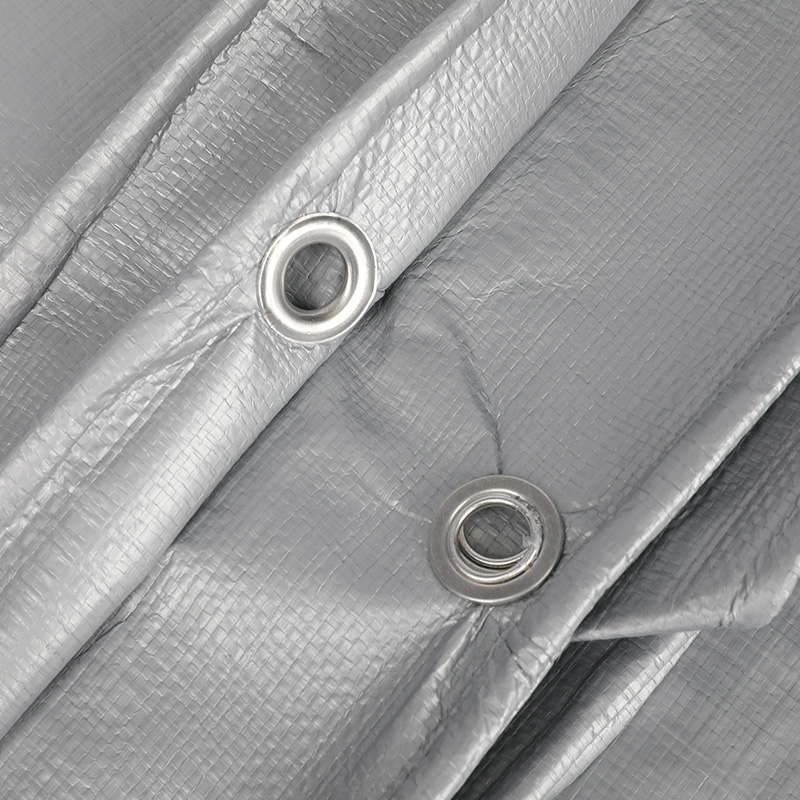
Global Weather Uncertainty Driving Material Demand
Extreme weather patterns, including heavy rainfall and sudden storms, are influencing how overseas markets approach outdoor protection. Buyers are looking for materials that help minimize disruption rather than reacting to damage after it occurs.
Protective fabrics are now expected to perform reliably across varied environments, whether used temporarily on job sites or as part of long-term outdoor installations. This shift has elevated expectations around material consistency and adaptability.
Expanding Applications Beyond Traditional Use
Tarpaulin materials are no longer limited to simple covering tasks. Overseas users frequently share applications across diverse industries, including:
- Construction site protection and scaffolding coverage
- Transportation and cargo shielding
- Agricultural storage and crop protection
- Outdoor events and temporary structures
- Emergency and disaster-response setups
This wide range of use cases has increased demand for materials that balance flexibility with dependable performance.
Material Performance as a Purchasing Focus
International buyers are becoming more informed and selective. Discussions often emphasize surface strength, coating stability, and resistance to environmental stress. Buyers want materials that maintain integrity during repeated use rather than requiring frequent replacement.
Consistency in thickness, texture, and coating behavior plays a key role in building trust, especially for buyers sourcing materials for resale or long-term projects.
Visual Quality and Practical Design Considerations
While performance is essential, appearance also matters. Clean, neutral finishes are widely favored in overseas markets because they integrate easily into different environments and applications.
A balanced design that supports both functionality and visual consistency helps materials transition smoothly between industrial, commercial, and public-facing uses.
Social Media Influence on Buyer Awareness
Overseas social platforms have become important spaces for sharing real-use experiences. Videos and posts showing tarpaulins in action—covering equipment, shelters, or goods—help buyers understand practical benefits more clearly than specifications alone.
This content-driven exposure has influenced purchasing behavior, encouraging buyers to prioritize proven usability and adaptability.
Logistics, Storage, and Handling Concerns
Ease of handling is frequently discussed in international sourcing conversations. Buyers value materials that are easy to fold, transport, and store without compromising durability.
Efficient packaging and manageable material weight support smoother logistics, especially for cross-border shipments and on-site deployment.
Sustainability and Responsible Material Choices
Sustainability awareness continues to grow across overseas markets. Buyers increasingly consider how long materials last and whether they support reduced waste over time.
Reusable and durable protective fabrics align better with responsible sourcing practices, helping buyers meet both operational and environmental goals without sacrificing performance.
Customization and Project-Specific Requirements
Different industries and regions present unique challenges. Overseas buyers often seek suppliers that can support variations in size, thickness, and finish to better match local usage scenarios.
This flexibility is especially important for distributors and project-based buyers who require adaptable solutions rather than one-size-fits-all products.
Building Trust Through Manufacturing Capability
Trust is built through consistent quality and transparent communication. Buyers are more likely to engage with manufacturers that demonstrate process control, stable output, and a clear understanding of application needs.
A supplier’s ability to support long-term cooperation is increasingly valued over short-term pricing advantages.
Long-Term Outlook for Protective Fabrics
As outdoor operations expand and climate challenges persist, demand for reliable protective materials is expected to remain steady. Products that combine adaptability, durability, and user-focused design will continue to attract interest across global markets.
Manufacturers that align product development with real-world usage trends are better positioned to maintain relevance and growth.
In today’s global environment, protective materials play a vital role in safeguarding assets, operations, and efficiency. As overseas buyers prioritize durability, usability, and adaptability, solutions that meet these expectations stand out in competitive markets. This ongoing shift reinforces the continued relevance of dependable products such as Double White Tarpaulin, which support diverse applications across industries and regions worldwide.
Your email address will not be published. Required fields are marked *

Info
+86-15967922255
No. 859, Huafeng Road, Jindong District, Jinhua City, Zhejiang Province, China
Copyright © Jinhua Donglin Tarpaulin Daily Products Co., Ltd.

Double White & Black & Light Blue Tarpaulin