
 English
  русский
 عربى
عربىHow Can Outdoor Protection Materials Reduce Cargo Damage and Storage Risks in Unpredictable Weather?
Global logistics, construction, agriculture, and outdoor storage industries are facing growing pressure from changing weather conditions and rising transportation costs. Heavy rain, intense sunlight, dust exposure, and temperature fluctuations are creating new challenges for companies trying to protect equipment, raw materials, and cargo during storage and transit.
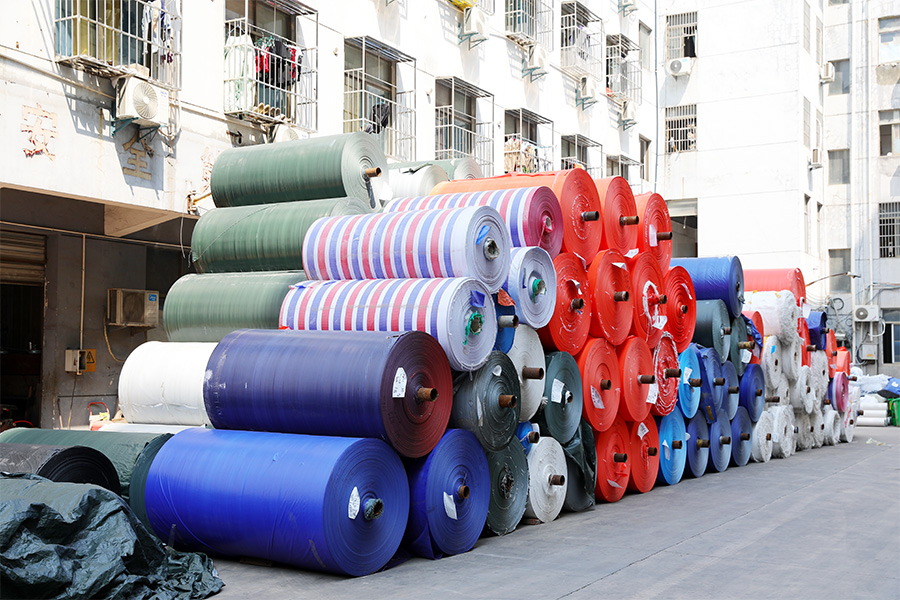
In many overseas markets, buyers are beginning to realize that low-grade covering materials often create hidden operational problems. Covers that tear easily, lose waterproof performance, or degrade quickly under sunlight can increase replacement frequency and even advance to product losses. This is why industrial buyers are paying closer attention to high-performance tarpaulin solutions designed for long-term outdoor use.
Products such as Light Blue/Orange Tarpaulin and Silver Gray/Army Green Tarpaulin are increasingly being selected for projects requiring stronger environmental adaptability and more reliable protective performance.
Weather Instability Is Increasing Outdoor Storage Challenges
Extreme weather patterns are becoming more common across global markets. Outdoor materials are now expected to perform under a wider range of environmental conditions than in previous years.
Common outdoor protection problems include:
- Water leakage damaging stored equipment
- UV exposure weakening material strength
- Wind tearing lightweight covers during transport
- Surface aging caused by long-term outdoor exposure
- Mold and moisture accumulation during storage
For industries handling valuable equipment or bulk materials, these issues can directly affect operational efficiency and maintenance costs.
Industrial Buyers Need More Than Basic Waterproofing
Traditional tarpaulins often focus only on short-term rain protection, but modern industrial applications require broader performance capabilities.
Professional outdoor covering systems now prioritize:
- UV-resistant surface coatings
- Reinforced tear resistance for repeated handling
- Stable flexibility under temperature changes
- Strong edge welding and eyelet reinforcement
- Long-term waterproof reliability
These features help improve protection performance across demanding industrial environments.
Different Application Scenarios Require Different Material Strategies
Modern tarpaulin procurement is becoming increasingly application-specific. Buyers are selecting products based not only on size and thickness, but also on environmental suitability and operational purpose.
Common application areas include:
- Construction site equipment protection
- Agricultural storage and crop covering
- Truck cargo transportation shielding
- Temporary outdoor warehouse systems
- Emergency disaster response shelters
Different colors and material structures are often chosen to match visibility requirements, environmental conditions, or heat management needs.
Long-Term Durability Is Becoming a Cost-Control Strategy
Many buyers initially focus on purchase price, but low-quality materials often result in more frequent replacement cycles and additional labor costs. This has pushed more procurement teams to evaluate long-term product value rather than short-term pricing alone.
Important durability indicators include:
- Fabric density and tensile strength
- Coating adhesion stability
- Resistance to cracking and brittleness
- Waterproof consistency after repeated folding
- Corrosion resistance around reinforced eyelets
More durable products can help reduce operational interruptions and replacement expenses.
Manufacturing Stability Matters More in Export Supply Chains
For overseas buyers, inconsistent product quality can create serious logistical and operational problems. Stable manufacturing processes have become a key factor in supplier evaluation.
Professional tarpaulin manufacturers usually focus on:
- Controlled raw material sourcing systems
- Precision coating and lamination technology
- Consistent thickness management
- Waterproof performance testing procedures
- Reliable export packing standards
Stable production quality helps buyers reduce procurement risks and improve supply chain reliability.
Future Tarpaulin Products Will Focus on Multi-Environment Adaptability
The outdoor protection materials industry is moving toward products capable of serving multiple industrial scenarios while maintaining long-term structural performance. Buyers increasingly expect materials to combine durability, portability, and environmental adaptability.
Future trends are likely to include:
- Advanced weather-resistant coating technologies
- Lighter but stronger woven structures
- Greater emphasis on reusable outdoor protection systems
- Improved sustainability in material development
- Smarter customization for industry-specific applications
As global outdoor industries continue facing more demanding environmental conditions, durable Light Blue/Orange Tarpaulin products and versatile Silver Gray/Army Green Tarpaulin solutions will remain valuable options for buyers seeking dependable cargo protection, lower maintenance costs, and stronger long-term outdoor performance.
Your email address will not be published. Required fields are marked *

Info
+86-15967922255
No. 859, Huafeng Road, Jindong District, Jinhua City, Zhejiang Province, China
Copyright © Jinhua Donglin Tarpaulin Daily Products Co., Ltd.

Double White & Black & Light Blue Tarpaulin