
 English
  русский
 عربى
عربىGrass Green/Orange Tarpaulin Factory: What Actually Matters on a Production Run
The rest is in the weave floor, the coating line, and how the QC team handles a bad batch. If you're sourcing from a grass green/orange tarpaulin factory, look past the price per piece. Here's what counts.
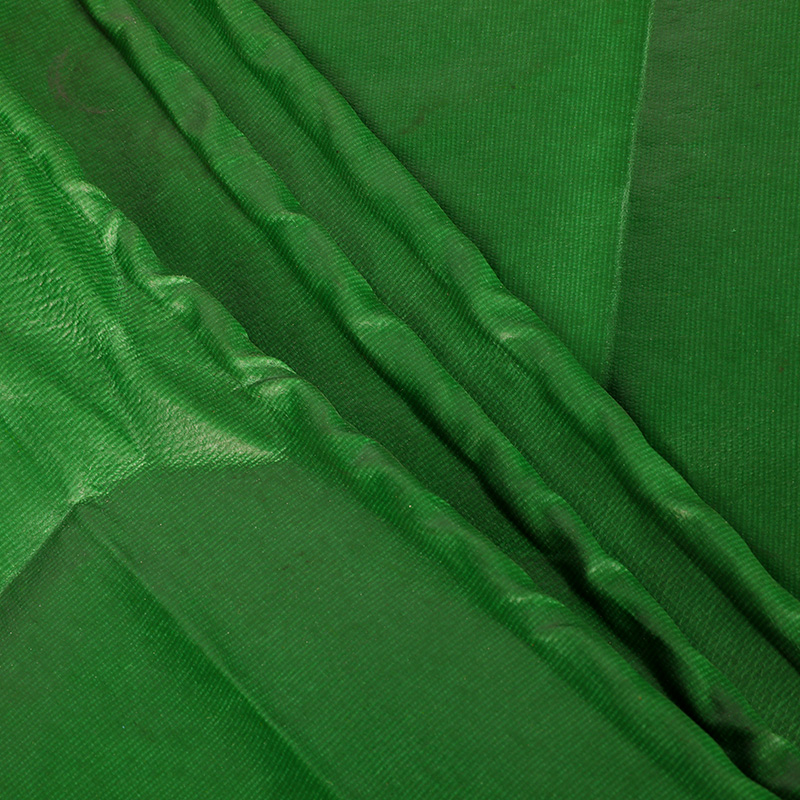
The Fabric Comes First
Thickness is not the same as strength. Tear resistance lives in the base fabric. A grass green/orange tarpaulin factory weaves HDPE tapes into a scrim before coating. Weave density sets the real strength. A 180 GSM tarp with a loose weave tears faster than a tight 140 GSM. Count threads per inch. 10x10 is common. 12x12 is tougher. 14x14 is for scaffolding work.
The coating seals the weave and makes it waterproof. But coating alone doesn't save a loose weave. Water finds pinholes. Sun finds thin spots. A rushed coating line leaves dry patches that only show up after repeated folding and unfolding.
Green and Orange Are Different Products
Green tarps go where they need to blend. Nurseries, hay covers, garden supply. The color hides dirt and fades gracefully. A grass green/orange tarpaulin factory usually runs green in higher volumes because landscaping demand is steady.
Orange is a safety product. Road crews, demolition teams, load covers on trucks. The orange must stay bright after months of sun. That means heavier UV stabilizer in the compound. Ask for the UV warranty in months. A decent orange tarp carries 18 to 24 months of direct exposure before going chalky. Some highway specs require a small brightness after accelerated weathering. If the factory can't quote the test standard, they're mixing pigment by eye.
The Parts That Fail First
Eyelets. Everyone checks spacing—every metre, every 50 centimetres. But the failure point is the hem the eyelet sits in. A grass green/orange tarpaulin factory should heat-seal the hem with a rope inside. The rope carries the tension. The eyelet just provides the hole. Without the rope, the eyelet rips through on the first gusty day. Grab an eyelet and pull. If the fabric around it stretches more than a few millimetres, the hem is too weak.
Brass eyelets corrode less than aluminium. Aluminium is cheaper and lighter. For marine use, specify brass. For general construction, aluminium is fine. Make the choice deliberately.
Quick QC Checks
When a sample arrives, here's what to do:
- Hold it up to a bare bulb. Pinholes show as bright dots. More than a few per square metre means the coating line was rushed.
- Fold a corner hard and rub the crease. Layers separating means weak lamination.
- Wet a section and leave it crumpled an hour. Open it and smell. A sour or chemical smell means cheap stabilizers or recycled resin.
- Wiggle an eyelet between thumb and forefinger. It should feel solid.
- Compare colour edge to edge. A shift from grass green to dull olive across the width means poor pigment mixing.
- A good grass green/orange tarpaulin factory welcomes these checks. A bad one explains why pinholes don't matter.
Sourcing Without Nonsense
Skip glossy catalogues. Ask for a pre-production sample from the actual resin batch allocated to your order. Not a showroom piece. Test it outside for a week. Fold it wet. Leave it in full sun. Pull on the eyelets after a hot day when the material is soft. That's when the truth shows.
Ask about regrind. Many factories mix some recycled material into the coating. That's normal. Too much makes the coating brittle. A grass green/orange tarpaulin factory should know the regrind percentage. If they say zero, they're probably not honest. If they say they don't know, that's worse.
Colour Fastness
Green tarps fade to a paler green. Customers accept that. Orange tarps fade to a sickly peach, and that's a problem. If the orange pigment isn't quality, colour washes out fast. A serious factory will have a xenon arc test chamber or lab reports for accelerated weathering. Ask for delta-E values after a set number of hours. Less than 5 is good. Above 10 means a different-looking product by summer's end.
The Takeaway
Know the weave count. Insist on rope-reinforced hems. Test samples yourself. Treat green and orange as separate specs because they serve different jobs and fail differently. A grass green/orange tarpaulin factory that understands this distinction will probably make you a decent product. The ones treating colour as just a dye switch cause returns.
Your email address will not be published. Required fields are marked *

Info
+86-15967922255
No. 859, Huafeng Road, Jindong District, Jinhua City, Zhejiang Province, China
Copyright © Jinhua Donglin Tarpaulin Daily Products Co., Ltd.

Double White & Black & Light Blue Tarpaulin