
 English
  русский
 عربى
عربىGrass Green/Orange Tarpaulin Factory: The Cover That Signals While It Protects
A tarp on a construction site does two jobs. It covers materials and equipment. And it tells people where the edges are. A grass green/orange tarpaulin does both. The orange side catches the eye. The green side blends into the surroundings. A grass green/orange tarpaulin factory builds these dual-color covers in weights from lightweight scaffolding wrap to heavy-duty truck tarps. The color contrast is not decoration. It is a visibility system.
Why Two Colors Instead of One
Single-color tarps disappear into the background. That works for hay bales in a field. It fails on an active job site where a tarp-covered pile sits next to a walkway or a crane swings overhead. The orange side signals. It marks boundaries. It says something is here. A grass green/orange tarpaulin factory formulates the orange pigment with UV stabilizers so the color stays bright through months of direct sun. Faded orange is not a warning.
The green side serves a different purpose. It blends. On a roadside project, on a park renovation, in a residential neighborhood, a fully orange tarp is an eyesore. The green side faces the public. The orange side faces the work zone. A grass green/orange tarpaulin factory gives the buyer one tarp that works both ways.
The color is compounded into the polyethylene film before lamination. It goes through the material thickness, not a surface coating that weathers away. A grass green/orange tarpaulin factory that uses quality pigments and stabilizers produces a tarp that holds its color for years, not months.
The Weave and the Lamination
The tarp starts as woven HDPE fabric. High-density polyethylene tape is extruded, stretched, and woven into a grid. The weave density and the tape denier determine the tensile strength. A grass green/orange tarpaulin factory specifies the weave to match the target weight grade. A tighter weave with thicker tapes resists tearing when the wind catches the tarp.
Lamination bonds the colored film to both sides of the fabric. The orange film goes on one side. The green film goes on the other. Heat and pressure fuse the layers into a single sheet. A grass green/orange tarpaulin factory that controls the lamination temperature and roller pressure produces a bond that does not delaminate when the tarp is folded, flapped in the wind, or dragged across rough ground.
The finished weight determines the application. An 80 to 120 gsm tarp works for temporary covers. A 180 to 220 gsm tarp covers scaffolding and construction materials. A 280 gsm and above tarp handles truck covers and long-term outdoor exposure. A grass green/orange tarpaulin factory labels the weight on each tarp so the buyer knows the grade.
Edges, Grommets, and Stress Points
A tarp fails at the edges first. The fabric frays. The grommets pull through. A grass green/orange tarpaulin factory finishes the perimeter with a folded, heat-sealed hem. The hem doubles the material thickness where ropes and bungees attach.
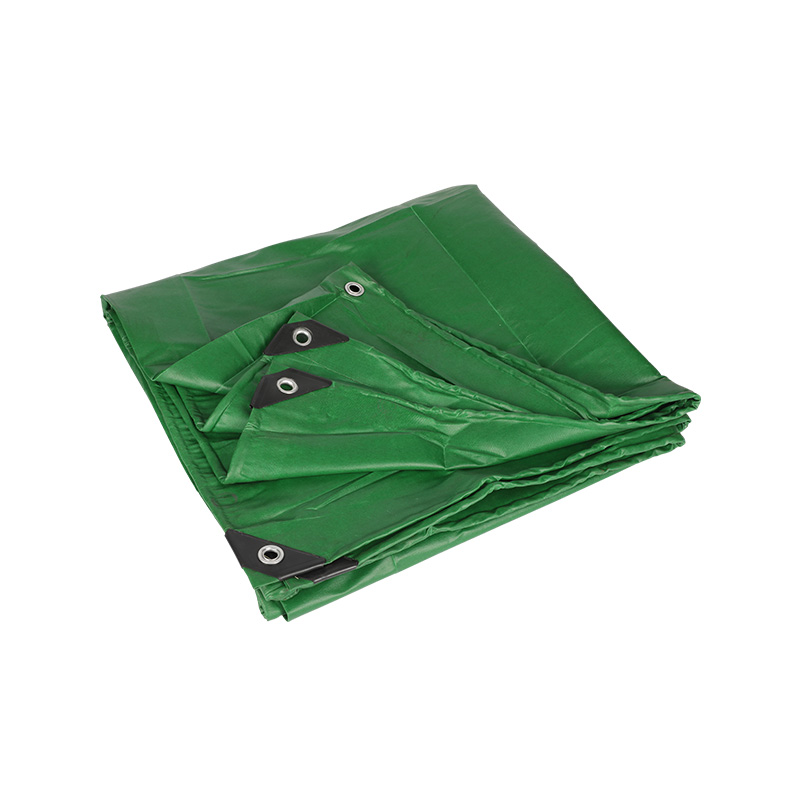
Grommets carry the tie-down load. Brass or stainless steel grommets set into the reinforced hem hold tension without pulling out. A grass green/orange tarpaulin factory places grommets at regular intervals along the edges and adds corner reinforcement, either a triangular patch or an additional fabric layer.
Rope-reinforced edges are an option on heavy-duty tarps. A polypropylene rope sealed inside the hem adds edge strength and prevents stretch. A grass green/orange tarpaulin factory offering rope-in-hem construction builds tarps that hold their shape under constant tension.
Here is what a grass green/orange tarpaulin factory needs to deliver:
- UV-stabilized orange pigment that stays bright
- Green side that blends into surroundings
- Woven HDPE fabric with tensile strength matched to the weight grade
- Lamination bond that does not delaminate
- Reinforced hem with brass or stainless grommets
- Corner patches or rope reinforcement on heavy-duty grades
Where the Tarp Gets Used
Construction sites use orange-sided tarps on scaffolding and material piles. The orange faces the work zone. The green faces the street. A grass green/orange tarpaulin factory supplying this market builds tarps that handle wind load at height and UV exposure across multi-year projects.
Road maintenance and utility crews cover trenches and material stockpiles. The orange side alerts traffic. The green side keeps the neighbors from complaining about the view.
Event and landscaping companies use dual-color tarps for temporary fencing, equipment covers, and ground protection. The orange side marks boundaries. The green side blends with grass and plantings.
What Fails on a Cheap Tarp
The orange fades to pale peach within months. The safety function disappears. A grass green/orange tarpaulin factory using cheap pigments without stabilizers produces a tarp that turns worthless before the project ends.
Delamination starts at the edges and spreads inward. Water gets between the film and the fabric. The fabric loses its UV protection and degrades. A grass green/orange tarpaulin factory that welds the edges and bonds the layers properly prevents the peeling that turns a tarp into scrap.
The grommets pull out under tension. A reinforced hem and proper grommet setting prevent this. The tarp tears at the corner because the corner was not reinforced. A grass green/orange tarpaulin factory that adds corner patches builds a tarp that holds when the wind pulls hard.
A grass green/orange tarpaulin covers, protects, and signals. The orange says here I am. The green says I belong here. Choose a factory that stabilizes the pigments, bonds the lamination, and reinforces the edges. The tarp will hold its color and its strength through the season. That is the job. That is what the buyer is paying for.
Your email address will not be published. Required fields are marked *

Info
+86-15967922255
No. 859, Huafeng Road, Jindong District, Jinhua City, Zhejiang Province, China
Copyright © Jinhua Donglin Tarpaulin Daily Products Co., Ltd.

Double White & Black & Light Blue Tarpaulin