
 English
  русский
 عربى
عربىAre Rainproof Fabrics Becoming Essential in a Climate-Uncertain World?
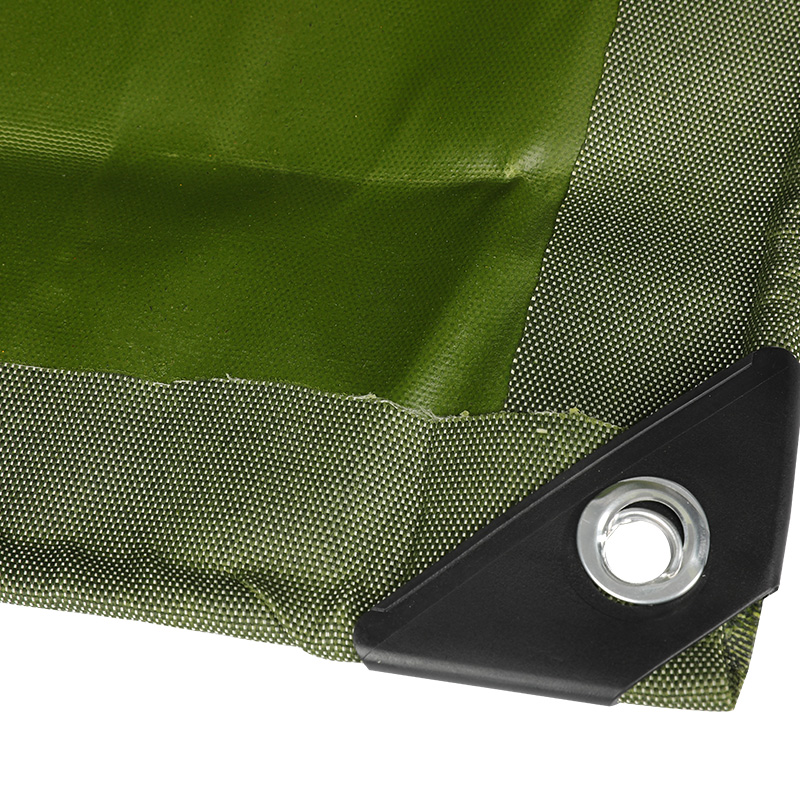
Across global markets, bad and unpredictable weather has become a frequent topic on social media and industry forums. Businesses are no longer treating weather protection as an afterthought. Rainproof Fabric is now viewed as a core material for safeguarding assets, workflows, and outdoor operations. At the same time, practical coverings such as Silver Gray/Army Green Tarpaulin are being widely discussed by overseas buyers who need adaptable solutions for logistics, agriculture, and outdoor infrastructure. As a manufacturer, we observe that purchasing decisions are increasingly driven by real application performance rather than surface-level descriptions.
Weather Volatility Is Changing Buyer Priorities
From sudden rainstorms to prolonged damp conditions, climate variability has reshaped how global buyers assess protective materials. Tarpaulins are no longer chosen only for occasional use; they are expected to perform consistently across multiple seasons. Buyers now look for rainproof fabrics that can support continuous outdoor exposure while maintaining structural stability and surface integrity.
Tarpaulins as a Supply Chain Protection Tool
In logistics and storage discussions, tarpaulins are frequently mentioned as a frontline defense against environmental disruption. Whether covering goods during transit, shielding materials at ports, or protecting inventory at temporary storage sites, rainproof fabrics play a key role in reducing loss and operational delays. Silver gray and army green tarpaulins are especially valued for their neutral appearance and wide adaptability across commercial environments.
Color Selection Reflects Functional Thinking
Color choice is no longer purely aesthetic. Silver gray tarpaulins are often selected for industrial or commercial settings where visibility and a clean, professional appearance matter. Army green tarpaulins are preferred in outdoor, agricultural, and emergency-use scenarios, where blending into natural surroundings supports discreet deployment. These color options reflect a growing preference for functional design over decorative elements.
One Product, Multiple Scenarios
Modern rainproof fabric solutions are expected to perform across diverse environments. Overseas buyers increasingly seek products that can move between applications without compromising usability. Typical scenarios include construction sites, farm operations, outdoor events, emergency shelters, and equipment coverage. This versatility reduces the need for multiple specialized products and simplifies procurement planning.
Key Considerations Highlighted by Overseas Buyers
Based on long-term export experience and buyer feedback, the following factors are lots of often discussed when selecting tarpaulins:
- Dependable resistance to rain and moisture
- Fabric strength suitable for repeated folding and handling
- Color tones that match both urban and outdoor environments
- Practical structure for easy setup and removal
- Stable quality across ongoing supply orders
These considerations reflect a shift toward reliability and long-term value rather than short-term cost focus.
Manufacturing Expertise Behind Reliable Performance
From a manufacturer’s standpoint, rainproof fabric performance depends heavily on process stability. Coating uniformity, fabric density, and edge reinforcement all influence how a tarpaulin behaves in real use. By maintaining consistent production standards and thorough inspection procedures, manufacturers can deliver tarpaulins that overseas buyers trust for repeated deployment in demanding environments.
Reuse, Durability, and Responsible Sourcing
Sustainability discussions are increasingly visible in global sourcing conversations. Buyers are not only asking whether a tarpaulin is rainproof, but also how long it can remain functional. Durable rainproof fabrics support reuse across multiple projects, helping reduce material waste while maintaining performance. This aligns with more responsible procurement strategies without compromising practical needs.
Digital Visibility Shapes Buyer Confidence
Online platforms play a major role in how buyers evaluate tarpaulins. Clear product imagery, application demonstrations, and transparent manufacturing descriptions help buyers understand how rainproof fabrics perform beyond basic specifications. Products that communicate real-world usability tend to gain stronger engagement and trust in international markets.
Building Long-Term Partnerships Through Manufacturing Support
Beyond product supply, manufacturers are expected to support clients with consistent delivery, flexible customization options, and application insight. These capabilities help distributors and end users adapt rainproof fabric solutions to local conditions, strengthening cooperation and long-term business relationships.
Protection as a Strategic Investment
As climate uncertainty continues to influence global operations, demand for dependable protective materials is expected to remain steady. By focusing on performance consistency, adaptable color options, and manufacturing reliability, professional producers of Rainproof Fabric can provide Silver Gray/Army Green Tarpaulin solutions that support global buyers in managing risk, protecting assets, and maintaining operational continuity.
Your email address will not be published. Required fields are marked *

Info
+86-15967922255
No. 859, Huafeng Road, Jindong District, Jinhua City, Zhejiang Province, China
Copyright © Jinhua Donglin Tarpaulin Daily Products Co., Ltd.

Double White & Black & Light Blue Tarpaulin